
Xiaomi Corporation continues to make headlines in the electric vehicle industry, but its latest financial results highlight a reality many fast-growing EV manufacturers face: growing sales doesn't always mean growing profits.
In the first quarter of 2026, Xiaomi's Smart Electric Vehicle and AI Innovation segment generated 19.9 billion yuan ($2.9 billion) in revenue. However, the division still reported an operating loss of 3.1 billion yuan ($457 million).
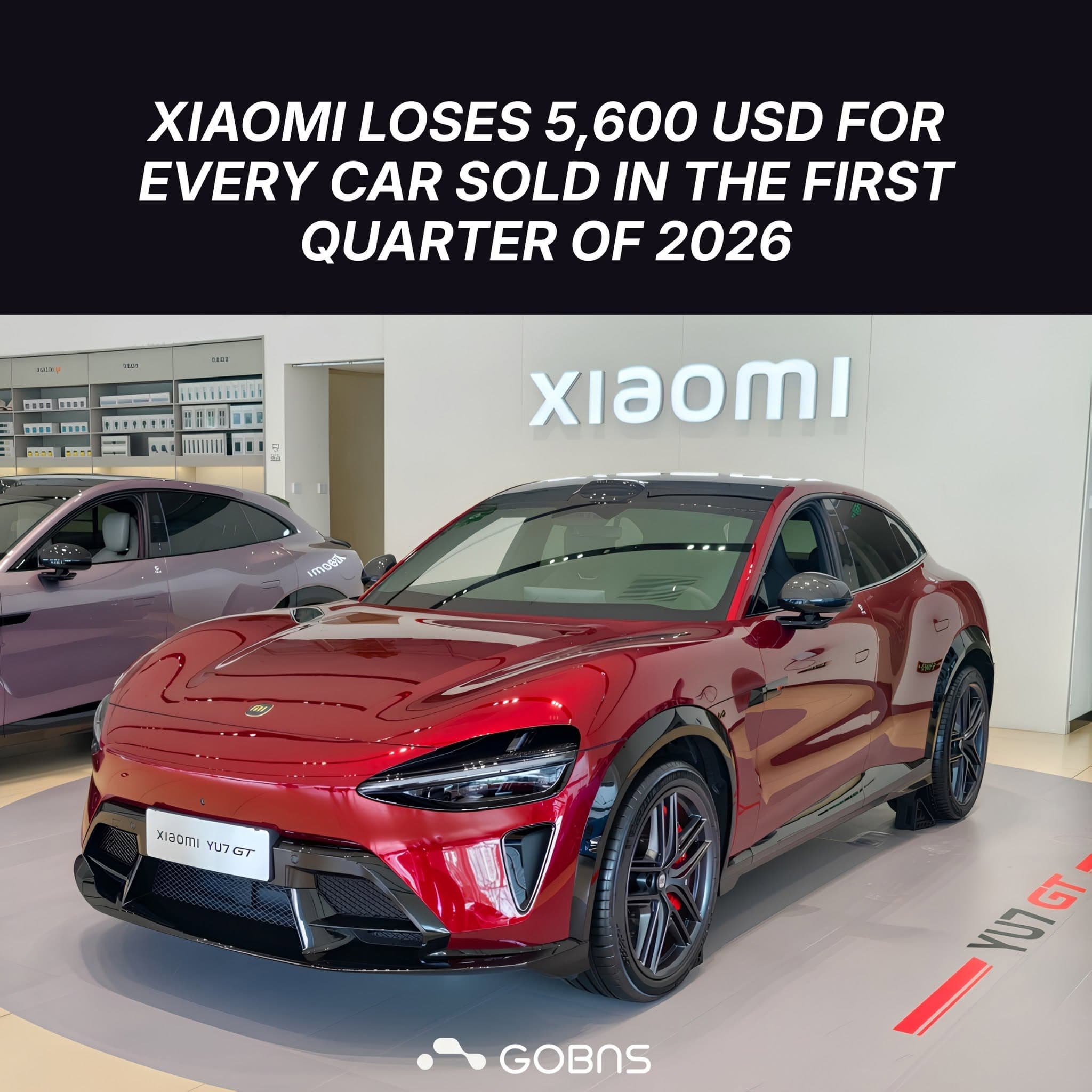
The company delivered 80,856 vehicles during the quarter, an increase from 75,869 units a year earlier. Based on those figures, Xiaomi lost roughly $5,600 per vehicle sold, a significant deterioration compared to the estimated $900 loss per vehicle in Q1 2025.
Several factors are contributing to the pressure on margins:
• Vehicle purchase tax subsidies impacting pricing dynamics
• A lower mix of higher-margin vehicle variants
• Rising costs for batteries and other key components
• Aggressive expansion and investment in sales infrastructure
Despite these challenges, demand remains strong.
The new Xiaomi YU7 has exceeded 232,000 cumulative deliveries within just 10 months of launch, while the updated Xiaomi SU7 secured more than 80,000 firm orders shortly after release.
Xiaomi has also expanded its footprint to 490 sales stores across 143 cities in China, demonstrating its long-term commitment to becoming a major automotive player rather than simply a technology company entering the EV space.
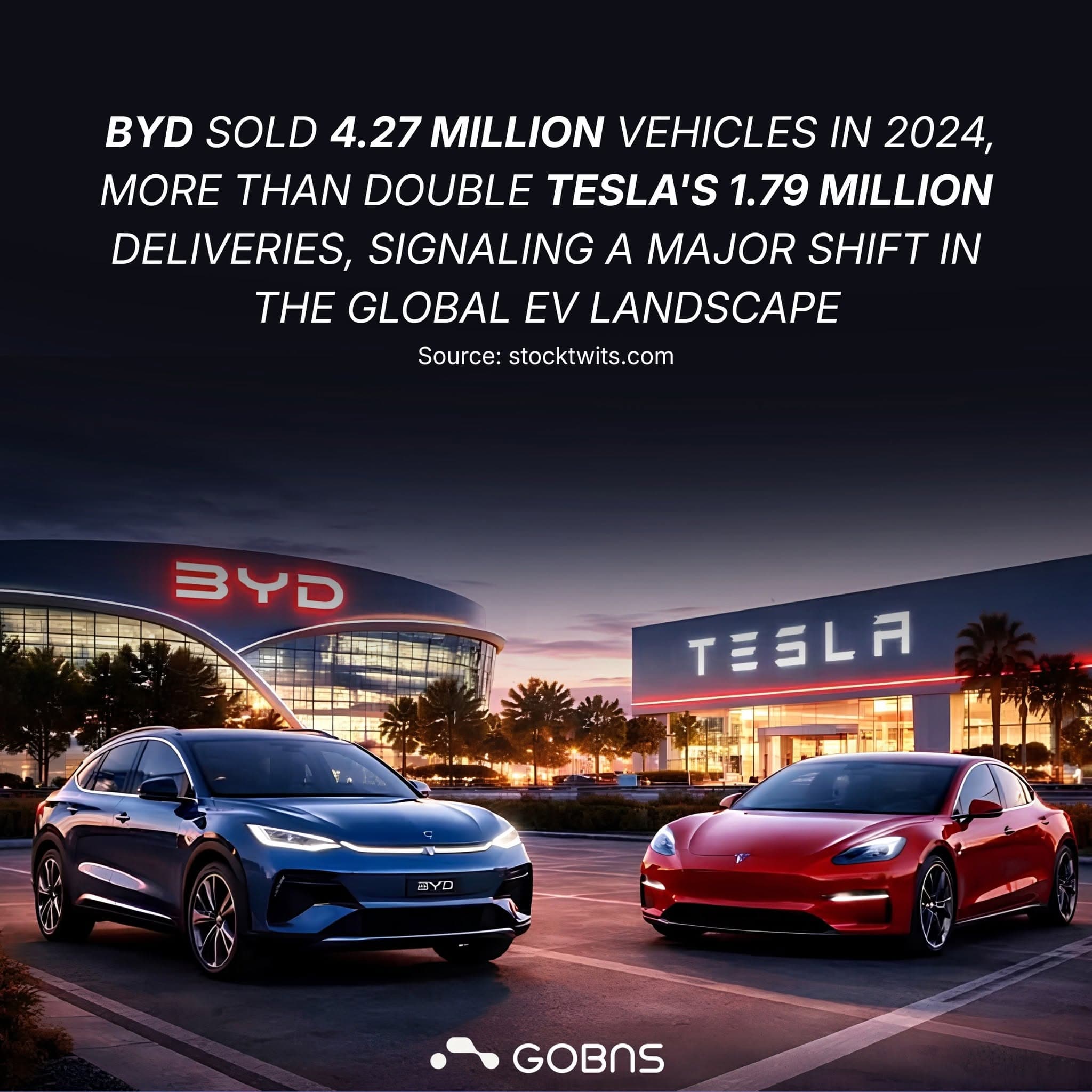
The situation reflects a broader trend across the EV industry. While companies such as BYD Company Limited have achieved massive scale and improved profitability, newer entrants are still navigating the difficult path between rapid growth and sustainable earnings.
The key question for investors and industry observers is no longer whether Xiaomi can sell EVs—it clearly can. The question is how quickly it can turn strong demand into profitable growth.
Do you think Xiaomi can become a long-term global automotive competitor, or will profitability remain its biggest hurdle?